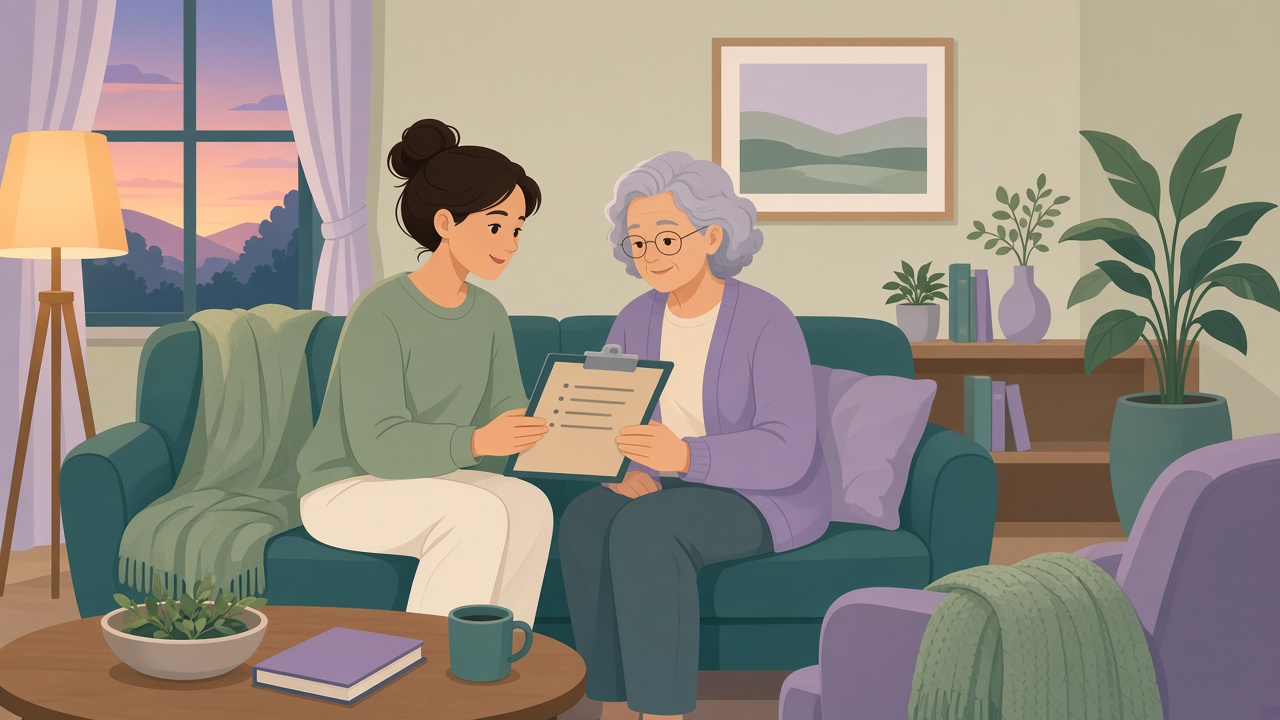
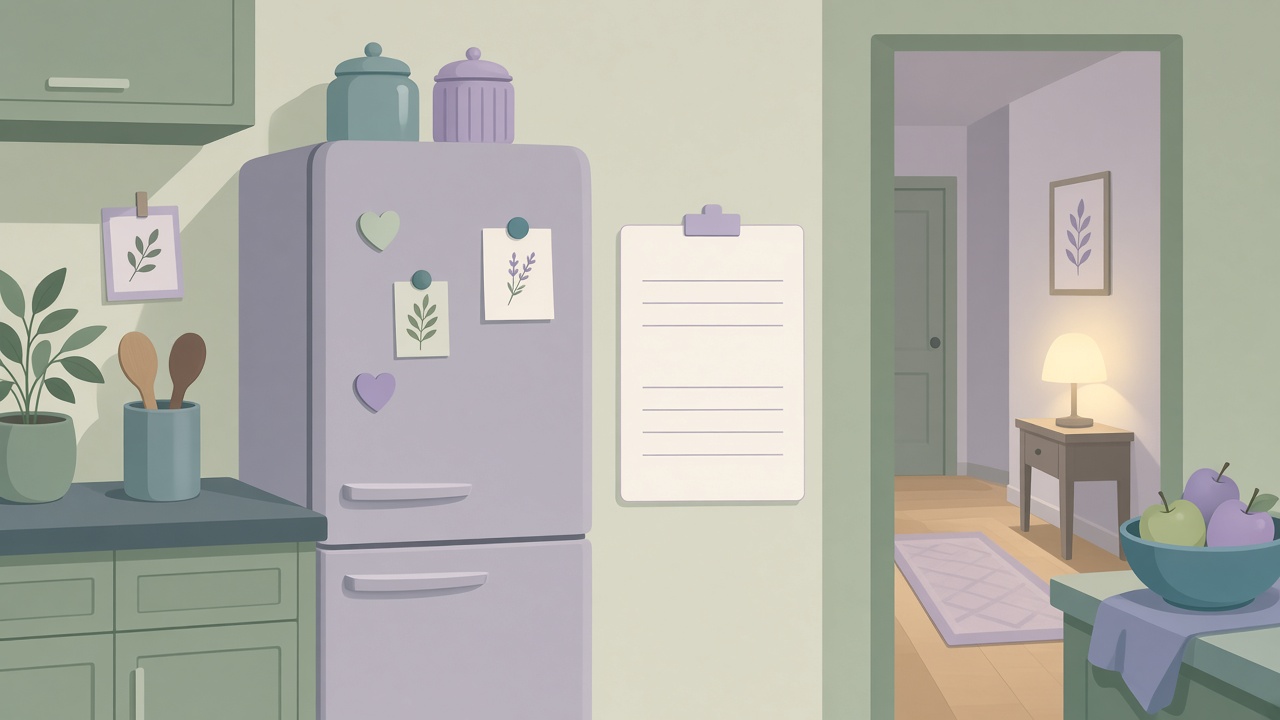
Evenings get harder when the day has already asked a lot of everyone. This dementia care at home checklist is meant to print and follow between 5 and 9 p.m. Hand a copy to a sibling or caregiver and keep one on the fridge.
Print this checklist: use your browser’s Print (File → Print, or Cmd/Ctrl+P). Choose a clean page layout; the list below is written to read on paper without empty worksheet lines.
Routine, safety, and companionship only. Non-clinical. No diagnoses, no treatment claims, no scare tactics. If skilled or medical teams are involved, they stay in their lane. This page is about the house holding together after work hours.
How to use this checklist
- Print one copy for the fridge and one for the caregiver folder.
- Walk the same order every night. Same order beats a perfect night.
- Before the first night you use it, write household-specific names and numbers on the printed page in pen (who arrives, your phone, a backup). The web page stays a complete guide; the paper copy carries your details.
- Pair with our broader evening guide A covered evening at home for meals, handoff notes, and respite framing. This page owns the dementia-specific 5–9 sequence.
Before 5:00 · set the stage
- Know who arrives and at what time. Put that name and time on the printed fridge copy.
- Lamps on in living room, hallway, and bathroom before dusk. In Central Texas that is often about 5:30 in winter and 7:30 in summer.
- Curtains or blinds: decide once, open or closed, so nobody argues at 6:15.
- Dinner plan already chosen. Two options max if choices overwhelm.
- Pathways clear: shoes, bags, and pets’ toys off the main walk lane.
- One calm activity ready: familiar show queued, photo album out, or cards on the table. Skip new craft projects.
- Your phone number and a backup on the printed page for questions. Not for play-by-play unless you asked for it.
A dementia evening routine starts before anyone is hungry or tired.
5:00–6:00 · arrival and soft landing
- Same greeting every time: name, day, what’s next. Example: “Hi, it’s Tuesday. Dinner at six.”
- Jackets and keys in the same spot so the house doesn’t feel rearranged.
- Bathroom offer early, before dinner rush.
- Noise down: one voice, TV volume low or off until after the welcome.
- No quizzes like “Don’t you remember?” Redirect to the next step on this list.
- If a new caregiver is covering, they read the one-page brief before diving into tasks.
Companionship here means familiar pacing, not entertainment on demand.
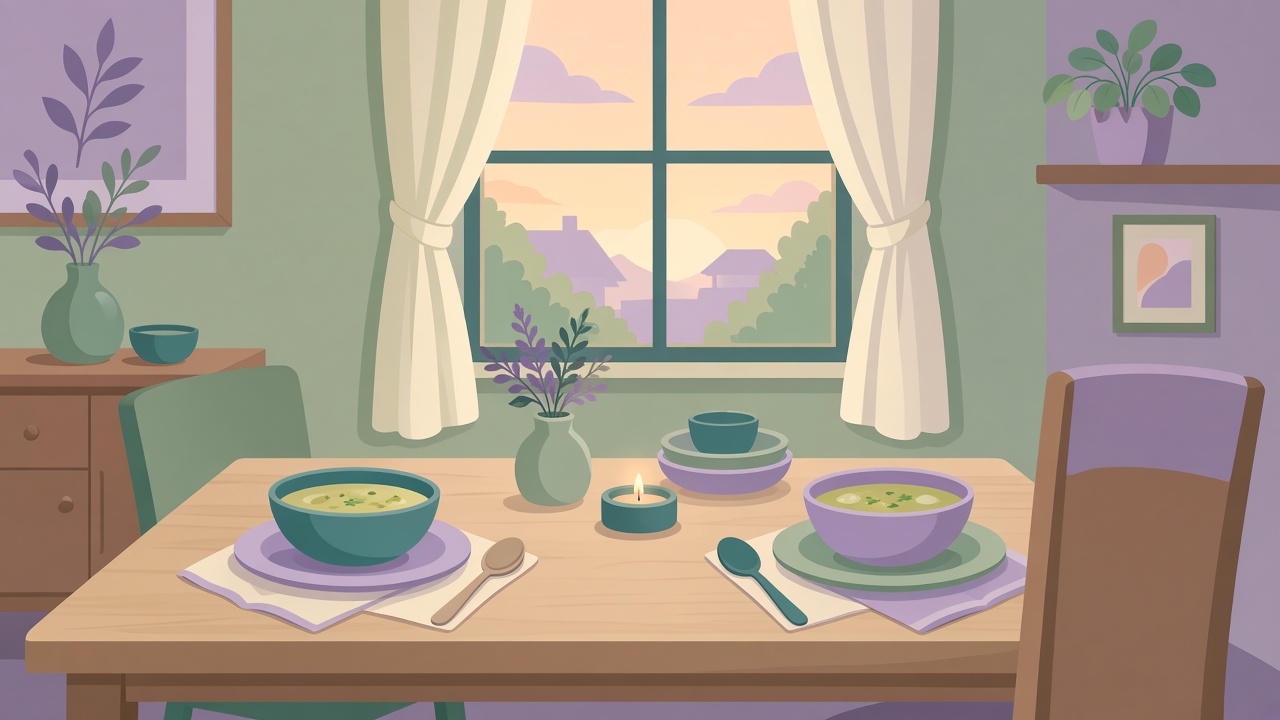
6:00–7:00 · dinner without drama
- Same seat at the table when possible.
- Familiar plate and utensils; avoid a sudden “special” place setting unless they asked for it.
- Offer two food choices max, or none: “We’re having soup and toast tonight.”
- Eat together or sit with them; phones away for the meal stretch.
- Note what was eaten, or offered and declined, for the handoff. Facts, not judgment.
- Light clean-up so the kitchen isn’t a second project at 9:00.
This is the stretch of in-home care for aging parents that families from Killeen through Austin to San Antonio often need most: ordinary dinner that doesn’t turn into a negotiation.
7:00–8:00 · personal care and calm activity
- Personal care only if it’s on the plan: bathing, dressing, toileting. Door closed, ask before help, “not tonight” is allowed.
- Lay out tomorrow’s clothes if that reduces morning stress and they’ve agreed to that habit.
- Quiet activity in the usual chair: music they know, a show they’ve watched before, looking at photos, simple cards.
- One conversation at a time; lower background noise when you talk.
- Hydration within reach if that’s their habit; no forced “finish the glass” contests.
- If they use hearing aids or glasses, check that those are where they belong for morning.
Dignity first. You’re supporting a person at home.
8:00–9:00 · wind-down in the same order
Use this sequence every night unless your clinician or household has already locked a different one. Keep the order the same once you choose it:
- Offer the bathroom again.
- Change into sleep clothes, or the outfit they prefer for evening.
- Soften bedroom lights; leave a night-light on so the room stays easy to find.
- Give a brief “what’s tomorrow” line in simple words. One appointment max, or “quiet morning at home.”
- Start the handoff note using the sample format below.
- Check doors; keep a phone within reach for whoever stays overnight.
Avoid hard topics, surprise guests, and rearranging furniture after dark.
Safety sweep
- Main walkways lit and clear.
- Kitchen burners off; sharp tools put away if that’s your household rule.
- Medications stored the way your system already stores them. Caregiver reminds only if that’s the agreement; this checklist does not create a clinical med pass.
- Emergency numbers on the fridge; 911 criteria written in one sentence you’ve already agreed on as a family.
Fewer surprises. That’s the point of the sweep.
Handoff note
Copy this format onto a sticky note or the bottom of your printed page. Fill tonight’s facts by hand on paper — not as empty web fields.
Sample (replace with tonight’s facts):
- Ate: soup and toast; declined second helping
- Personal care: done (or partial / declined)
- Mood and energy: calm after dinner; tired by 8:30
- Evening activity: familiar show in the usual chair
- Anything to watch tonight or tomorrow morning: slept in recliner 20 minutes; glasses on nightstand
- Questions for family: none tonight
Same format every night. One page is enough.
What not to do after 5 p.m.
- Don’t correct every wrong year, name, or story. Thank them and move to the next checklist step.
- Don’t introduce three new helpers in one week if you can help it; continuity is part of the plan.
- Don’t save family arguments for the evening “when everyone’s home.”
- Don’t treat cameras as a substitute for a person and a written routine.
When you need the house covered
If 5–9 is the stretch that keeps breaking you, a planned caregiver who knows this checklist is respite with a spine. Meals stay ordinary household food or our Expert-Guided Meal Planning support, not a clinical nutrition plan. Walk through the evening. Say what must stay the same.
Reach out at /contact-us or call (512) 888-9105 for a free in-home consultation. Print the list. Same order tomorrow.