Austin doesn't get many hard freezes, which is exactly why they catch people off guard. A week of seventy-degree afternoons, then a front blows in overnight, and by morning the birdbath is solid and the H-E-B shelves are picked over.
If you were here in February 2021, you remember how fast a few cold days turned into no power and no water. Most freezes are nothing like that. Still, an afternoon of getting ready now, while it's mild, means you won't be digging for flashlights in the dark later.
Start with the pipes
Frozen pipes are the most common freeze problem in a house, and the fix is cheap.
- Put foam covers on your outdoor faucets. They're a few dollars at the hardware store and push right on.
- Unhook the garden hoses and drain them.
- When a hard freeze is in the forecast, open the cabinet doors under your kitchen and bathroom sinks so warm air can reach the pipes.
- Let your faucets drip overnight, both hot and cold, on the coldest nights.
- Know where your main water shutoff is. If you don't, ask a neighbor or family member to show you this week, while nothing's leaking.
Our aging-in-place checklist has more on the yearly jobs around the house.
Stay warm without the risks
A space heater is fine if you use it the boring way. Plug it straight into the wall, not into an extension cord or power strip. Keep it about three feet from the bed, the curtains, and the recliner blanket. Turn it off when you leave the room or go to sleep.
Never heat the house with the oven, the stove, or a grill. They can fill a room with carbon monoxide. If you have gas appliances or a fireplace and don't have a carbon monoxide alarm, add one to your list.
Dress in layers indoors, keep a blanket on the chair you actually sit in, and move into one or two rooms if the power goes out. Close the doors to the rest.
Pack a cold-snap shelf
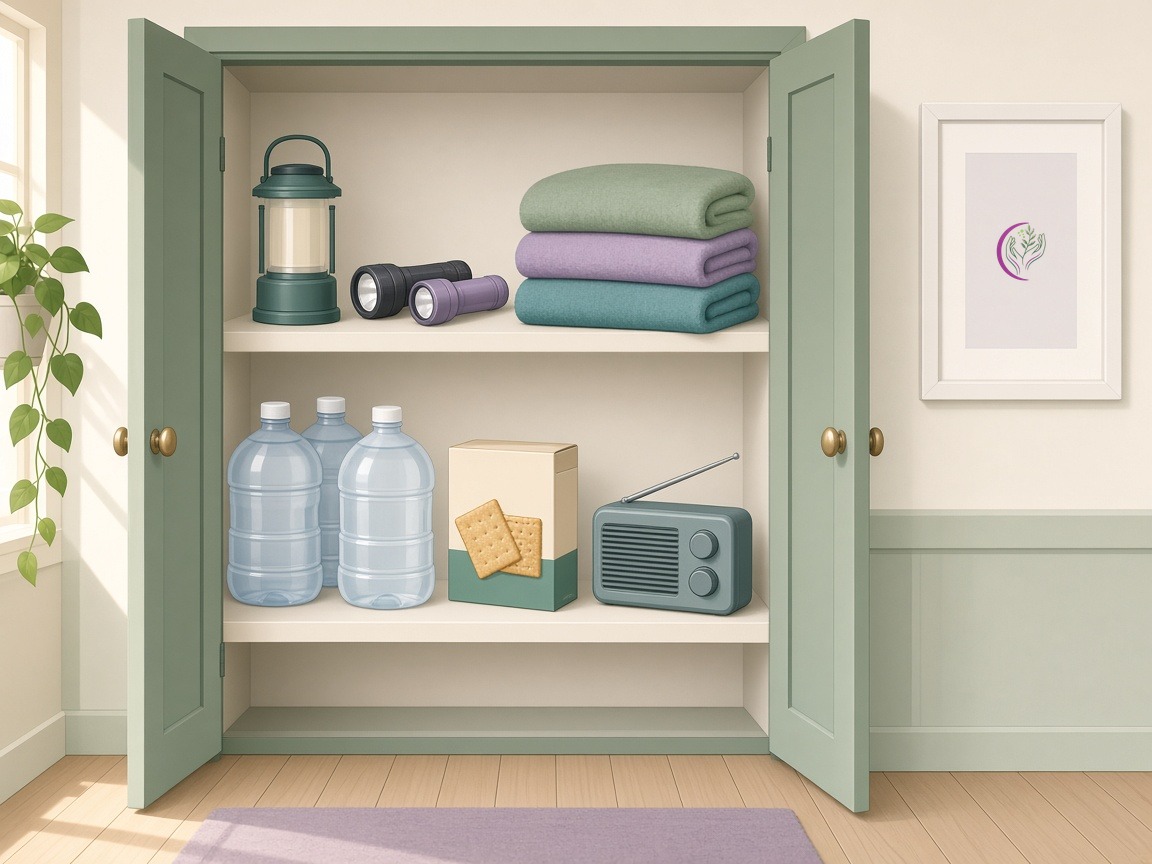
Pick one shelf or closet and put everything there, so you're not searching the house when the lights go out.
- Flashlights or a battery lantern, plus spare batteries. Skip the candles.
- A few gallons of water.
- Food you can eat without cooking, like crackers, peanut butter, canned fruit, and bread.
- Extra blankets and a warm hat for sleeping.
- A portable phone charger, kept charged.
- A battery radio, if you have one.
If any of your medicines need to stay cold, ask your pharmacist now what to do if the power goes out. It's a two-minute question at the counter, and much harder to sort out on the second day of an outage.
Don't go out on the ice
When the roads ice over, Austin mostly shuts down, and that's the right call for you too. A fall on an icy driveway or porch step is the real danger of a freeze. Get your groceries and prescriptions two days before the cold arrives, not the morning of. Bring the mail in later, or let it wait.
If you have a dog, plan where they'll do their business that doesn't involve the slick back steps. If you have outdoor cats or potted plants you care about, bring them into the garage.
Set up a check-in
Pick one person who'll call you every morning during a freeze and agree on a time, say 9 o'clock. If you don't answer, they call a neighbor. Write the neighbor's number on the inside of a kitchen cabinet so you have it even if your phone dies.
Save your electric company's outage number in your phone too, so you can report an outage and find out when power's expected back.
Getting ready with a caregiver
If you'd like help with it, our caregivers can do a lot of this alongside you during a regular visit: the grocery run before the front comes in, getting the blankets down from the top shelf, putting the flashlights where you can reach them, and a cup of something hot while you wait out the weather.
When ice or a hard freeze hits, we decide case by case whether visits can go ahead safely. If the weather calls a visit off, we'll let you know. If you're curious what else a visit can include, read what a caregiver actually does during a visit.
You can book a free in-home consultation this weekend, Saturday or Sunday, November 28 or 29, on our booking page, or call us at (512) 888-9105. We'll come to you and talk through what would make your week easier. You don't have to decide anything that day.
We're private pay with competitive rates. We don't bill insurance, but we do submit documents to long-term care insurance if you have a policy.