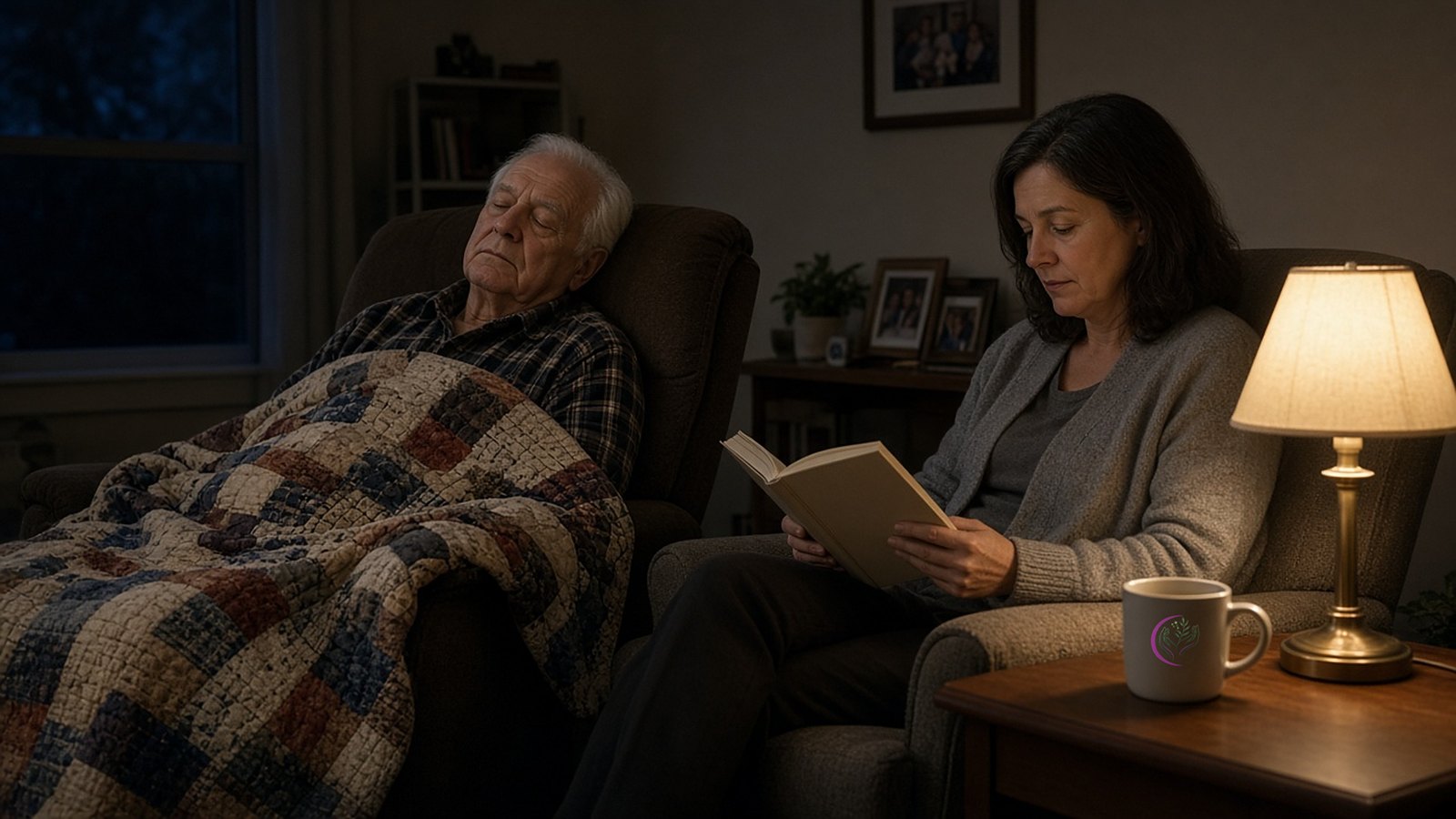
You've seen this one. The patient is ready to go home. The daughter in the chair by the window has signed everything, nodded through the medication list, and asked twice what time the pharmacy closes. She says she's fine. She hasn't slept a full night since the admission, and she'll be the one at the house tonight.
The discharge plan usually covers the patient. It doesn't always cover the person who's about to do most of the work. This post is about that second person, and how to refer for respite before she runs out.
Signs the caregiver is wearing out
Most caregivers won't tell you they're struggling. They'll tell you sideways. Things worth noticing:
- "I'm the only one who can do it." Siblings live out of state, or live nearby and don't help.
- "I haven't been to my own doctor in a year." Or she's skipping her own appointments to make his.
- "I sleep on the couch so I can hear him." Her nights are broken, and she's been running on that for weeks.
- "I just need to get through this week." That week has usually turned into months.
- She asks the same question about the discharge instructions more than once, or writes nothing down.
- A spouse who looks about as frail as the patient is planning to help with the shower alone.
- At a home visit, you see dishes stacked up, a full mailbox, or the caregiver in the same clothes as last time. Or an adult child has taken leave from work and doesn't know when it ends.
- She's short with the patient, then apologizes, then tears up.
None of those is a diagnosis. Each one is a reason to ask one more question before the patient leaves.
Why respite belongs in the plan
When the family caregiver goes down, the plan goes with her. The patient who was doing fine at home with his wife is suddenly home alone, or back in the emergency room, because she got sick or simply couldn't keep going.
So treat the caregiver's stamina as part of the discharge picture, the same way you'd look at the stairs or whether there's a working phone. If the plan only holds as long as one tired person never sleeps, it's a fragile plan. Writing respite in at the start is easier than adding it after a crisis. It also lands better coming from you than if the family has to ask.

What in-home respite with us looks like
Respite means one of our caregivers comes to the home for a set block of time so the family caregiver can step away. The patient stays in their own house, on their own routine.
We offer respite visits during the day, in the evening, and overnight. With an overnight visit, a daughter who's been sleeping with one ear open can get a full night in her own bed while someone else is awake for her mom.
During a visit, a caregiver can help with:
- Bathing
- Meals, and sitting with the patient while they eat
- Light housework, like dishes and tidying up
- Rides to appointments and errands
- Company and conversation, and keeping the usual routine going
- Medication reminders
Medication reminders means just that. A caregiver can say "It's eight o'clock, time for your pills." They don't hand out doses or manage medications. Our care is non-medical, so nursing, therapy, wound care and anything else on a skilled order stays with the clinical team. We can schedule around home health visits.
Before the first visit, we need signed care documents, an assessment by Sovereign Serenity Care, and an individualized service plan we write from that assessment. Our caregivers go through our vetting, and we match caregivers to each household.
Goal: Care starts within 48 hours
Our respite care page has a family-facing version you can send home with them.

How to bring it up with the family
Often the patient is easier to convince than the caregiver. A lot of people hear "respite" as "you're not doing enough." Start with what they're already doing, and keep it about the plan.
Something like:
"You've been carrying a lot, and your dad is going home needing more help than he did before. I'd like the plan to include some time when someone else is with him, so you can sleep or get to your own appointments. An agency can send a caregiver for daytime, evening or overnight visits. Is it okay if I send them a referral so they can call you?"
If they push back, don't argue. Try: "That's fine for now. I'll put their information in your packet in case you want it later." Caregivers sometimes change their minds after a few nights at home.
If they ask about cost, keep it short and let us handle the details: "It's private pay, and the agency will walk you through it." If long-term care insurance comes up, here's how we handle it. Private pay only. If a family has long-term care insurance, we can send our invoices to the insurer if required, but the family stays responsible for payment.
How to refer
- Check the address. Our coverage lookup tells you whether the patient's home is in our service area in and around Austin.
- Submit through Refer Now. Initials or an internal reference are enough. Please don't put the full chart in the form.
- Say it's a respite referral, name the family caregiver, and give the best number to reach them. If you know whether they need days, evenings or overnights, add that too.
- We call the family decision-maker first, and we update you as the named referrer when the status changes.
A referral doesn't book a start by itself. It gets us talking with the family.
When you're ready, use the Refer Now button below to open the partner form. To talk it through while discharge is in motion, call (512) 888-9105.